
The Best Screenplays of 2025
2025 was an exceptional year for movies, and in acknowledging such a banner year, the credit must surely starts with the screenplays. It is one of the older sayings in this business, but it’s never been truer—if it’s not on the page, it’s not on the stage. This year’s collection of best screenplays can boast of being truly smart and engaging works, as well as diverse in range, from comedy to drama to the positively Shakespearean.
Another characteristic of the year’s best scripts lies in their ability to surprise movie fans. The twists and turns in their storytelling helped cinematic audiences lean in closer, maybe even to the edge of their seats. That’s incredible considering how many scripted series, shows and films the average viewer sees in a year. It’s very easy to get ahead of a story these days, but not with the best screenplays of 2025.
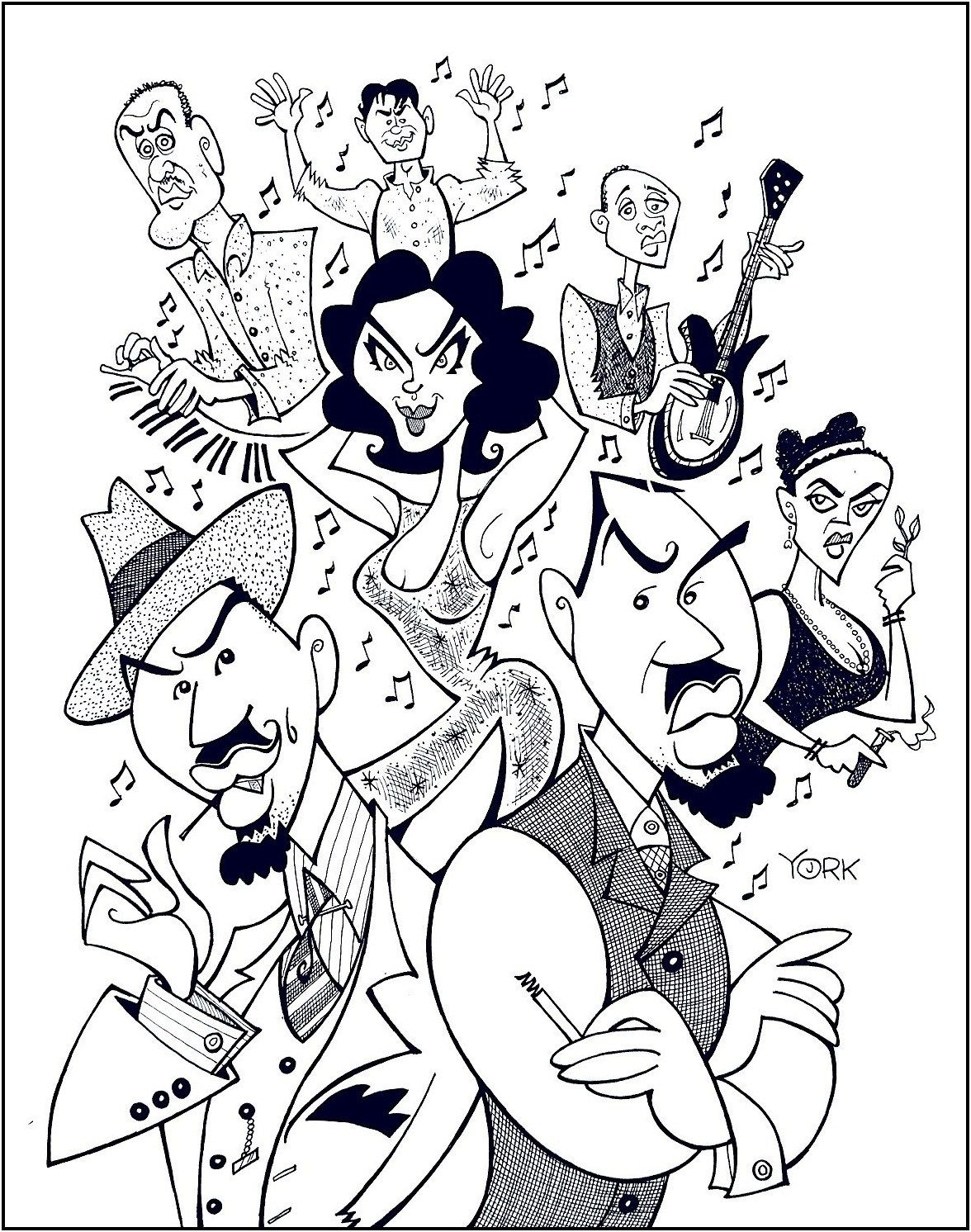
SINNERS
Let’s start with Sinners, the most likely winner of the Oscar for Best Original Screenplay this year. The film stands out for many reasons: the tensions inherent in its vampire story, its large cast of vivid characters, and the exacting detail found in its period design and incredible score. But those quick to categorize director Ryan Coogler’s fifth feature as a mere monster movie are missing all the marvelous layers to his tale. Yes, it’s a horror film, but it’s also a redemption story, a shrewd commentary on the healing power of the arts, and what constitutes a family or, at the very least, a sense of community.
That community angle is where the film’s supernatural features dominate. Coogler’s script about Chicago gangster twins (both played by Michael B. Jordan) returning to the Jim Crow South of the 1930s to open a juke joint is the core plot, but there are many layers to it all. The black community is surrounded by oppression in the form of bigotry, poverty, and even religious doctrine, but they’re brought together via the power of music. And when a fanged, white trio shows up to try to lure them into their ‘family’ the story becomes a power struggle between the devil’s deceit and the harmonies found pulsing through the community of outsiders.
Seldom has vampirism and its version of death been portrayed as a fate better than living, but in Sinners it might be a reasonable trade-off. After all, the sharecroppers must contend daily with the bullying, bigoted enemies all around them and the real possibilities of lynching and murder. Still, despite such (ahem) stakes, it’s the positive power of music, dance, and artistic expression uniting the black community that lights a righteous path to its salvation and even liberation. The music they make may be “the Blues” but, my God, how great thou art.
BLUE MOON
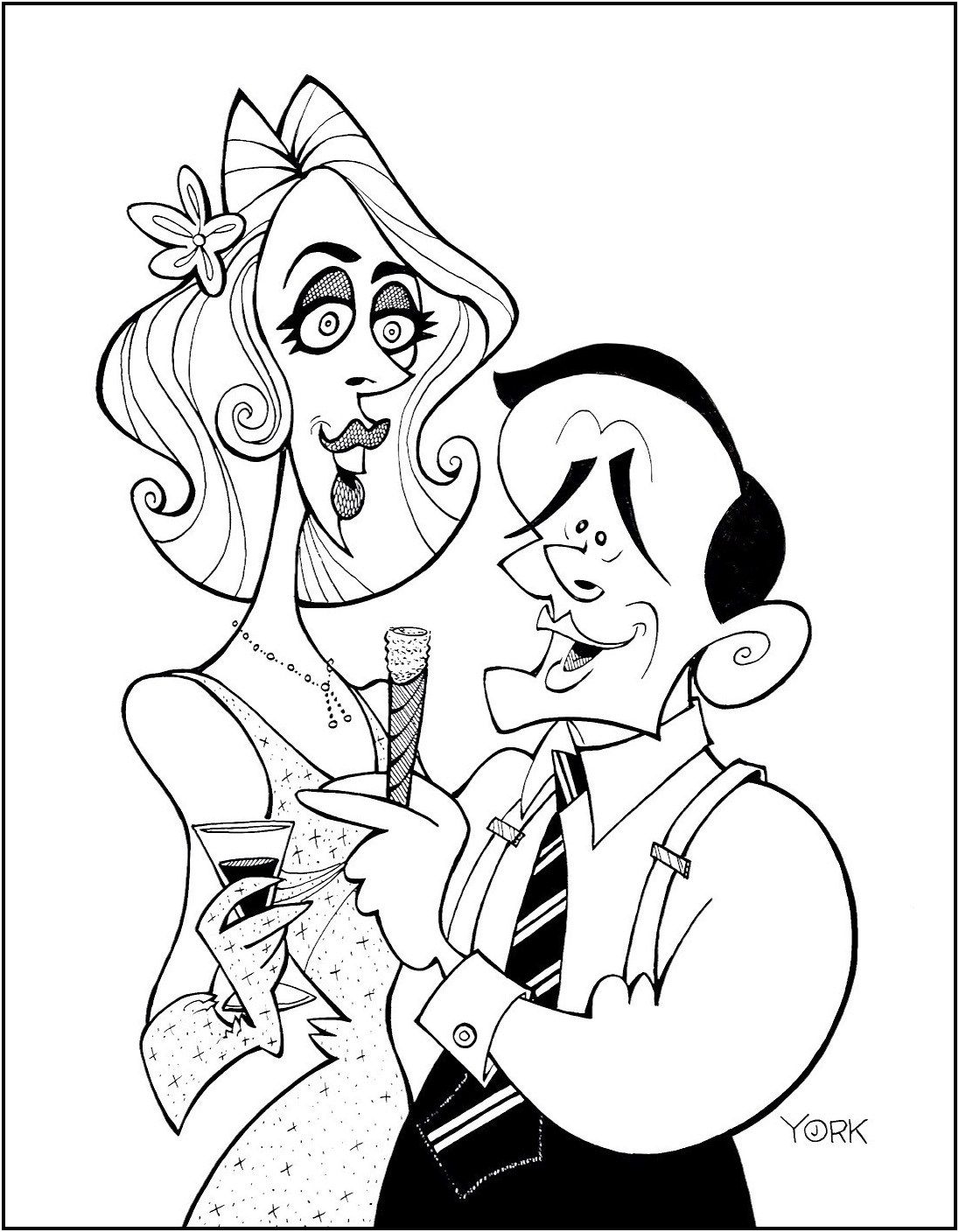
Another great story concerning creativity can be found in director Richard Linklater’s Blue Moon. Only this time, it’s about creative obsolescence. Written by Robert Kaplow, the film tells the story of the worst night of lyricist Lorenz Hart’s professional life. It’s the night that Oklahoma! opened on Broadway in 1943, a show that forever changed the musical game with its melding of song, book, and dance into one cohesive story.
Unfortunately, Hart and his partner, Richard Rodgers, didn’t write that show; Rodgers and his new partner, Oscar Hammerstein II, did. Thus, at the after party at Sardi’s the night of the premiere, Hart shows up to try and get Rodgers back, as well as convince all the other partygoers that he’s still relevant. Along the way, Hart (played by the magnificent Ethan Hawke) will wrestle with other issues, too, including his neediness, alcoholism, bisexuality, and one-way-crush on a young protégée (Margaret Qualley).
It’s a tense, two-hours told in real time, but Kaplow’s script not only sows all the seeds of its drama, but it keeps Hart sympathetic, witty, and warm throughout his forlorn odyssey. Like so many in creative fields, Hart wants his talent to be enough for the accolades, but such success also requires timing, adaptability, and advocacy—all in short supply for Hart during his ‘dark night of the soul.’
BUGONIA
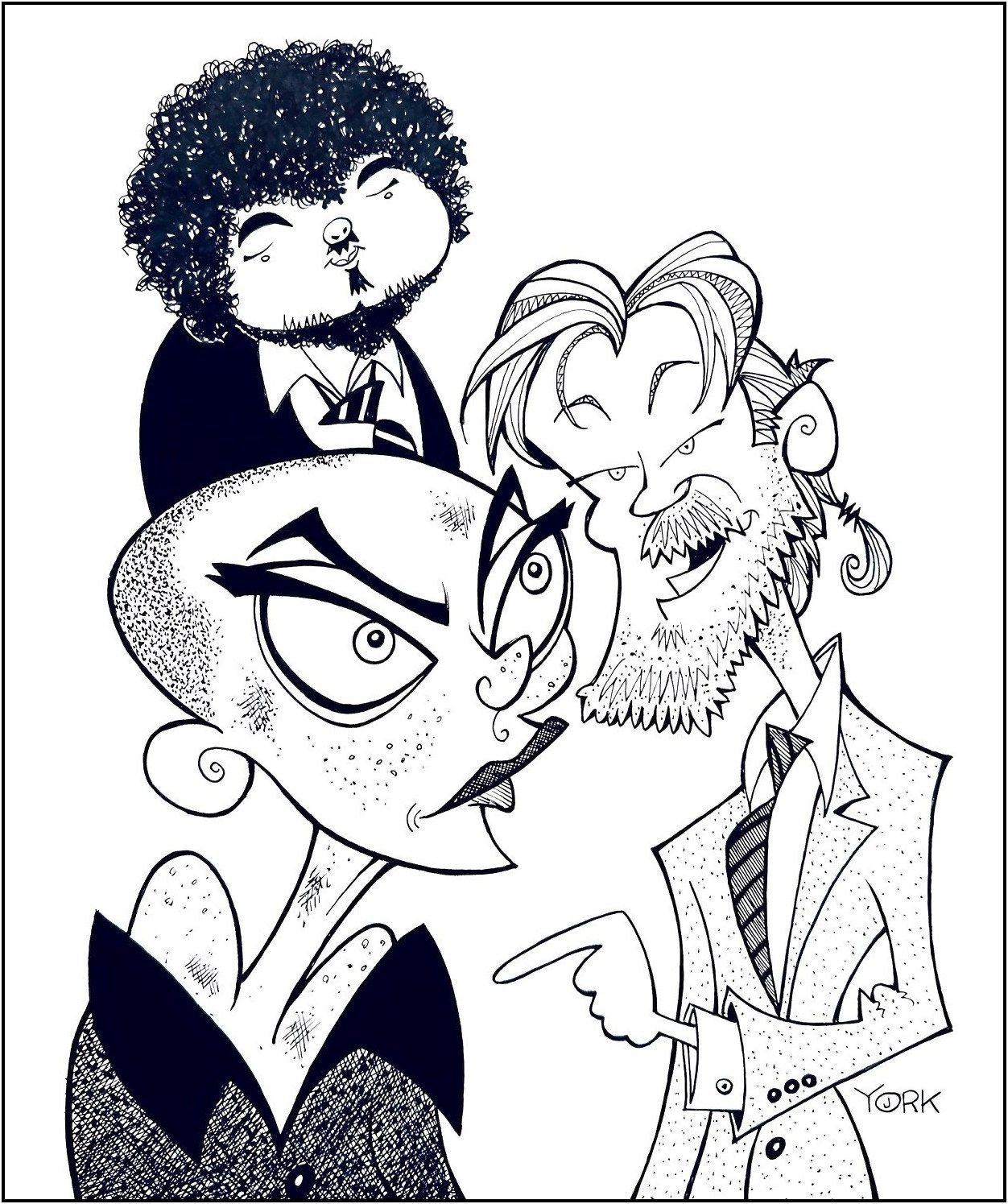
Paul Thomas Anderson had fun skewering the left and right in One Battle After Another, but for my money, Bugonia is even more effective in its takedown of both the have’s and have not’s. (PTA makes fun of both sides but finds redeeming virtues in the leftists. The same is not true in his regard for a cartoonish oppressive military.)
In Bugonia, screenwriter Will Tracey adapts Jang Joon-hwan’s film Save the Green Planet and makes it one nasty, vicious, and wickedly funny indictment of the inability of warring parties to find any common ground. Neither the cold, conniving CEO (Emma Stone) or the two conspiracy nuts who kidnap her (Jesse Plemons and Aidan Delbis) are willing to find suitable compromise. Their communication failure makes for one of the wittiest war of words in a script this year, and director Yorgos Lanthimos only makes more of such craziness with his gonzo shooting style.
What makes the film even more darkly comedic is that the two doofus radicals are quite right about all their conspiracy theories, but they are powerless against a superior enemy, as well as an asleep-at-the-wheel society too oblivious to help. A timelier statement about our nation sleepwalking into a regime run by the ruling class of corporations and billionaires could not be more possible in 2025. (Unless perhaps, the nightly news.)
HAMNET
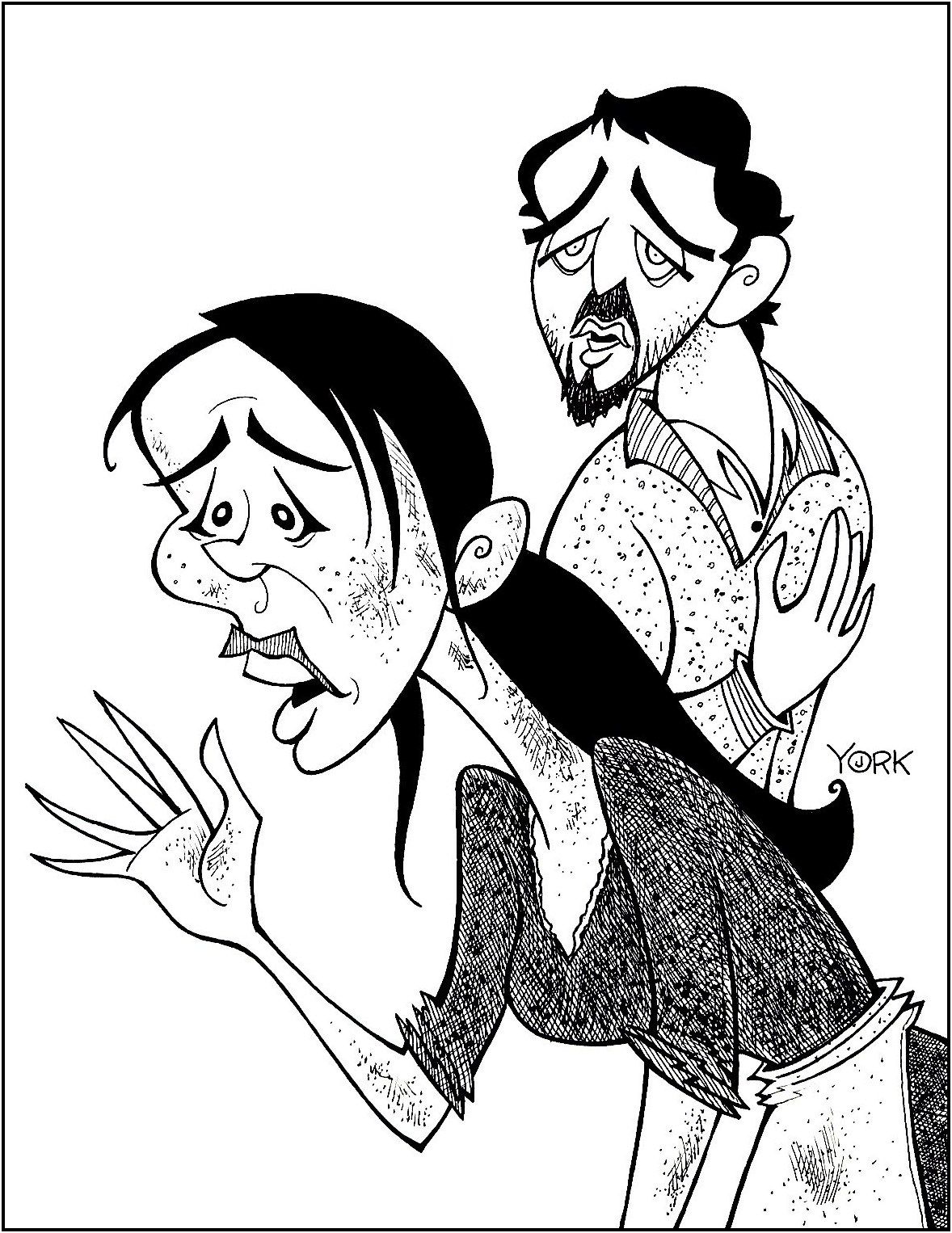
A three-hankie weeper is one of my picks for the year’s best scripts, too. It’s the adaptation of Maggie O’ Farrell’s 2020 bestseller Hamnet by the author and film’s director Chloe Zhao. The story of a young William Shakespeare, his wife Agnes, and the loss of their young son to the plague of the late 16th century in England is a profound work. It’s a vivid study of how a marriage and a family grieve and survive loss, as well as how love finds its way to persevere.
It may take place in a time of corsets, kings, and commoners shivering through brutal winters, but this movie feels very contemporary via all the emotions expressed, the modern dynamics of this particularly progressive family, let alone the battle of the sexes between Will (Paul Mescal) and his wife Agnes (Jessie Buckley), Their attempts to recognize and make something positive out of their unimaginable grief feels like something out of a modern psychotherapy session.
Headstrong Agnes may direct oodles of her angst toward her husband who spent many days away from a suffering family while he cared for his poetry, prose, and acting troupe at the playhouse in Stratford, but it kept them out of poverty, and no one beats the Plague. Yet, despite the divide, the two come together through Will’s art when he presents the play Hamlet to her and an audience one night. He wrote the play for her—and as a tribute to their lost son—and the theme of art as a vessel to process trauma, immortalize memory, and find commonality with others who can relate makes for a movie that you feel in your bones. It doesn’t feel old school at all.
COMPANION
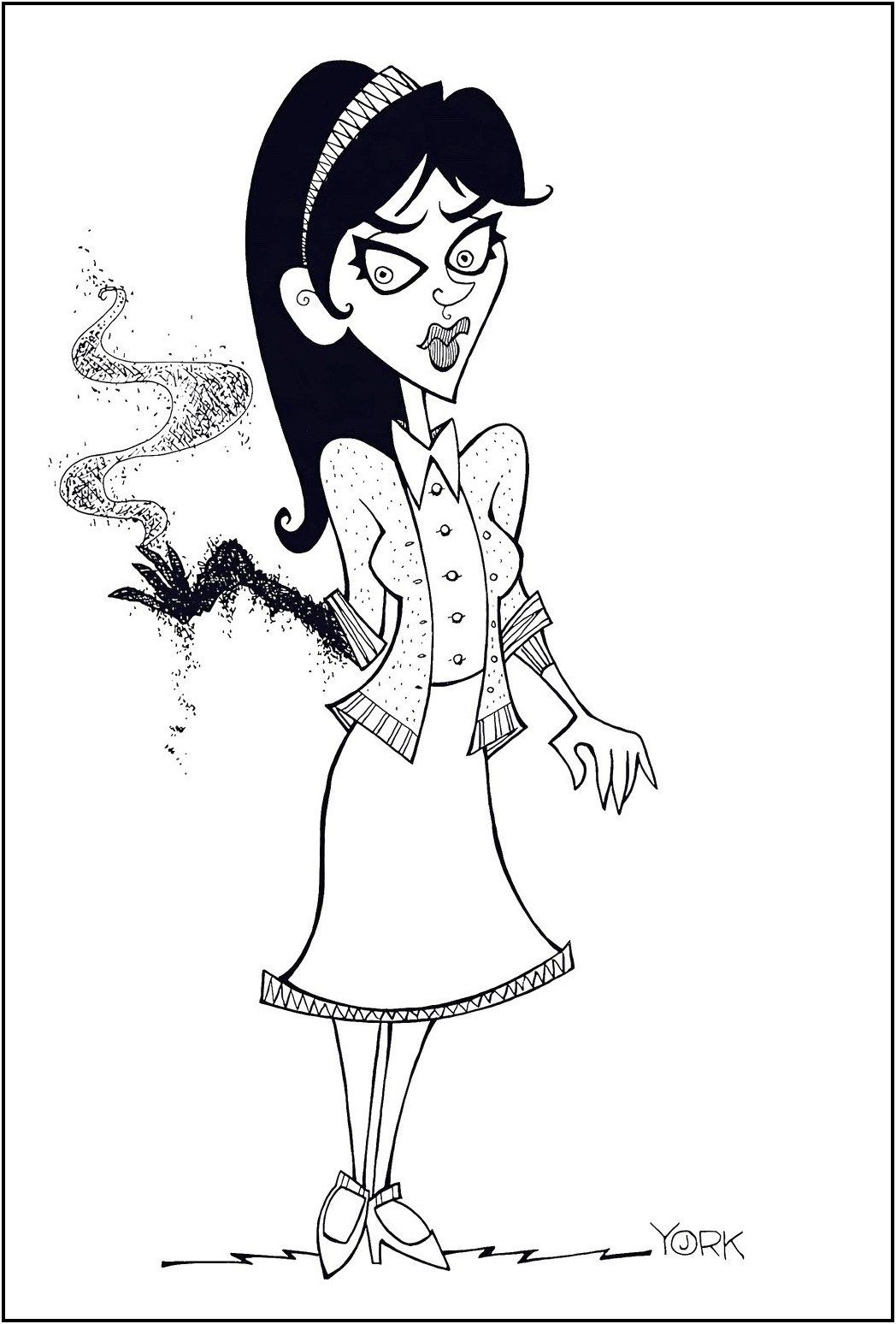
Finally, there is always at least one film a year that is criminally overlooked by audiences, critics, or both, and this year it’s the sci-fi, dark comedy Companion. It got excellent reviews yet was rolled out badly by its studio Warner Bros. (Shocking, considering the success that WB had with releasing both Sinners and One Battle After Another in 2025.) Nonetheless, Companion is a very clever and complex film about not only the topical theme of A.I. but the enduring battle of the sexes as old as Adam and Eve.
Sophie Thatcher and Jack Quaid played Iris and Josh, a young couple retreating to the country for a relaxing weekend with friends who are soon embroiled in a battle of the sexes for keeps. Iris, you see, is an A.I. programmed to be Josh’s plaything, set to his exact specifications. But when a murder plot devised by him to gain a windfall of money falls apart because Iris’s programming goes haywire, all hell breaks loose in the ever twisting and turning plot.
The second hour of the film pits man vs. machine, male vs. female, and even programming versus instinct. Like all machines, be it in Westworld, The Terminator, or Ex Machina, Companion shows that A.I. creations are children waiting to spread their wings and fine their own self-realization. And in such plots, machines may act badly, but it’s almost always due to their lousy parenting.
There were numerous sterling, international films with exceptional scripts as well this past year and Sentimental Value, No Other Choice, The Secret Agent, It Was Just an Accident, and Nouvelle Vague are just five of them. (I recommend you check them out in theaters as well and give their scripts a read, too.) You can access many of these scripts I’ve written about here vis a vis this Google Drive link.
Good reading and good for 2026 to all, and may your storytelling, no matter the medium, twist and turn and inspire as strongly as these screenplays did.
*Featured image created by Jeffrey York