Documentary is Not the Cheap Way In
What eight years on one film taught me about what a documentary really costs.
The American Question came out in October, 2024. I started making it eight years earlier.
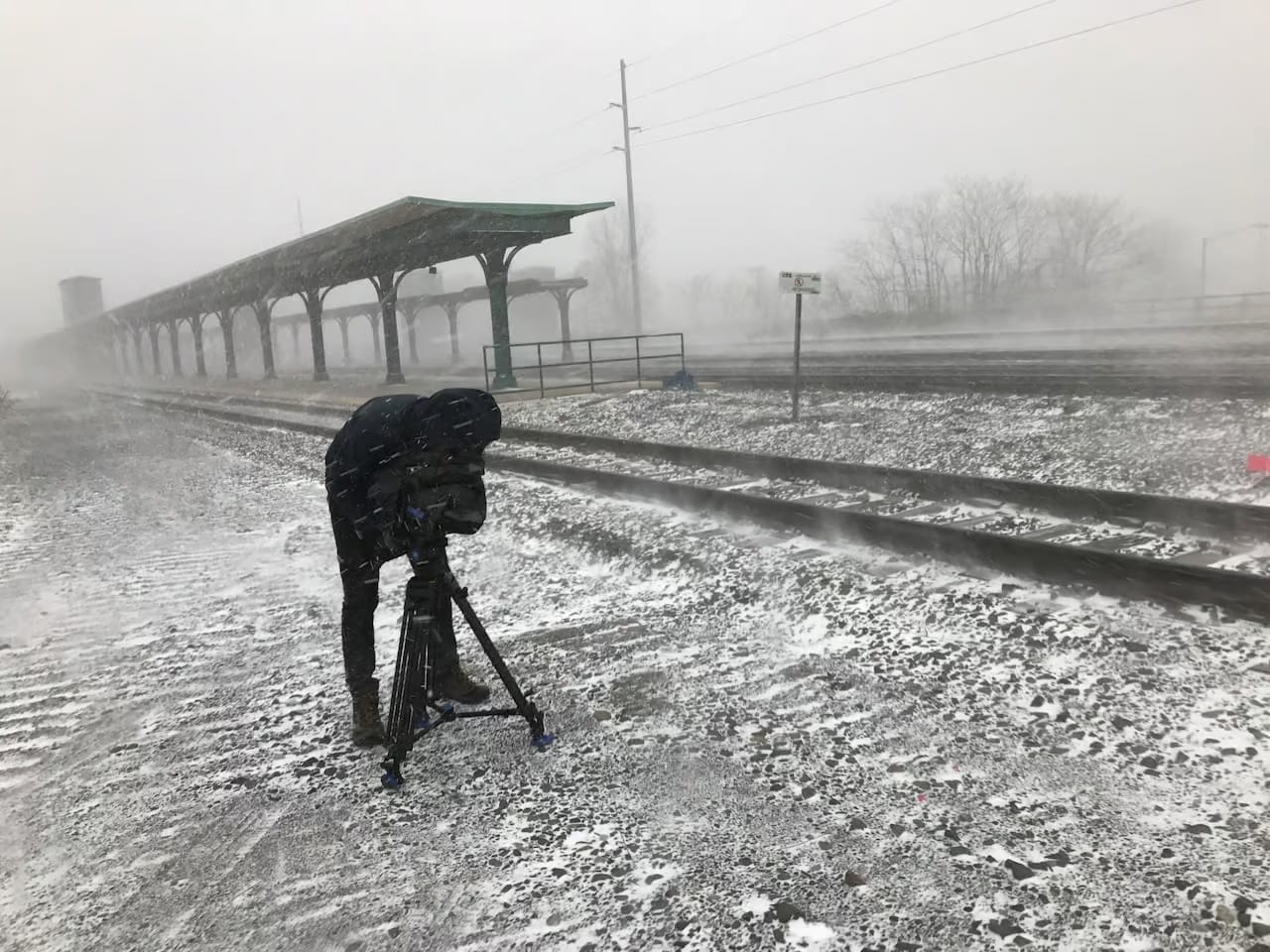
In between, I filmed across swing states like Pennsylvania and Michigan, sat with Americans who had stopped trusting one another, and talked with political scientists including Amy Chua, Colin Woodard, Yuval Levin and Yascha Mounk about how we got here. I also kept working on campaigns, commercials and other people's projects, because a documentary does not pay your rent while you make it.
The country I started filming in 2016 was not the country that watched the film in 2024. The film had to answer to both. So did I.
Here is what I wish someone had told me at the start. Documentary is not the cheap, fast way into filmmaking. It looks that way from the outside: no actors, no sets, no script, a crew that fits in a hatchback. But a documentary costs less money on day one and more of everything else by the end.
You pay in time, in money spent where you never planned to spend it, and in pieces of yourself.
THE MYTH OF THE SIDE DOOR
Writers and narrative filmmakers I meet often see documentary as a side door. If they cannot raise the money for a feature, they can pick up a camera, find a compelling subject and make something real. I understand the appeal. I made narrative shorts and features, too, and I know how long a script can sit in a drawer.
The math of a documentary runs backward from a scripted film, though. A narrative feature front-loads its cost. You know your shoot days, your locations and your cast because the script tells you what you need. A documentary has no script to budget against. You shoot until the story shows up, and nobody can tell you when that will be. Then you pay to finish it.
WHERE THE TIME GOES
Reality keeps its own schedule. Your subject's life moves at the speed it moves. Elections, verdicts, diagnoses, comebacks and quiet changes of heart do not happen on day 14 of a 20-day shoot. If the story is still unfolding, so is your production.
The edit is where the film gets written. On The American Question, most of the writing happened in post. Every interview has to be watched, logged and weighed before you know which minute matters. The edit taught me to cut any line that only restates what the footage already says, and learning that took longer than any shoot.
The ground also shifts under you. A film about a living subject, a community or a country has to stay true to it while it changes. Sometimes that means rebuilding a structure you thought was finished.
WHERE THE MONEY GOES
The bill comes due at the back end, right when you are most tired and least funded.
Editing. It is usually the longest phase of a documentary, and good editors are worth every dollar.
Archival. News footage and photos are often priced by the second, with minimums, and rights for every platform you want.
Music. Licensed songs can cost more than your whole shoot. An original score is its own commitment.
Legal and insurance. Distributors will ask for errors and omissions insurance, and you cannot get it without clean releases and clearances.
Deliverables. Captions, separate audio stems, quality control reports and format conversions all cost money after you think you are done.
None of these line items is glamorous. All of them can stop a finished film from reaching anyone.
WHAT IT COSTS YOU
A documentary asks you to carry other people's stories, sometimes the hardest parts of their lives, for years. It asks you to keep believing in a project when nobody is paying you and friends have stopped asking when it will be done.
Where I grew up, in Bellville, Georgia, you finish what you start. That instinct is the only reason some documentaries ever get made. It is also how a project quietly takes over a life if you let it. Count that cost before you begin.
WHAT TO DO BEFORE YOU START
1. Make a short first. A 10- to 15-minute documentary teaches you access, releases, the edit and clearances in months instead of years.
2. Budget the back end before the front. Price archival, music, legal and deliverables before you buy a single hard drive.
3. Pick a subject you can live with. Ask yourself whether you will still care in year five. If the honest answer is maybe, keep looking.
4. Keep the work that pays. Commercial, branded and editing jobs are not a detour. They buy your film time.
5. Get releases from day one. Every person, every location, every time. Chasing signatures years later is miserable and sometimes impossible.
6. Define done. Decide what the film needs to say, so you know when you can stop shooting.
THE REAL RETURN
None of this should scare you off. It should help you walk in with your eyes open.
The American Question reached #1 on Apple TV's VOD chart and holds 100% on Rotten Tomatoes. Both of those felt good. Neither is why the eight years were worth it. They were worth it because by the end I understood the question better than when I started, and I hope some viewers do, too.
That is the real return on a documentary, and there is no cheap way to get it.
So, this week, before you buy any gear, write one page. Who is this film about? Why will they let you in? What does finished look like? If you cannot answer all three, you are not ready to shoot yet. You are ready to research, and that is where every good documentary starts.
Next month: access, and why the people in your film can take it all back.