
Writers Don't Pay. Writers Get Paid
The do’s and don’ts of the financial responsibilities of being a Screenwriter.
What? I thought I could just write a script, someone would buy it, make it, I’d get famous, and life would be wonderful.
If the above has been tossed through your mind in the past, you’re not alone. I’ve been teaching screenwriting, both starting classes and advanced story logic classes at film festivals, writer’s conferences, and media conferences for the last decade. The number of writers with this mindset is more than enough reason for me to write this.
My title is also misleading. Yes, you will pay for things. Lots of things. I will talk about them in a moment … but first …
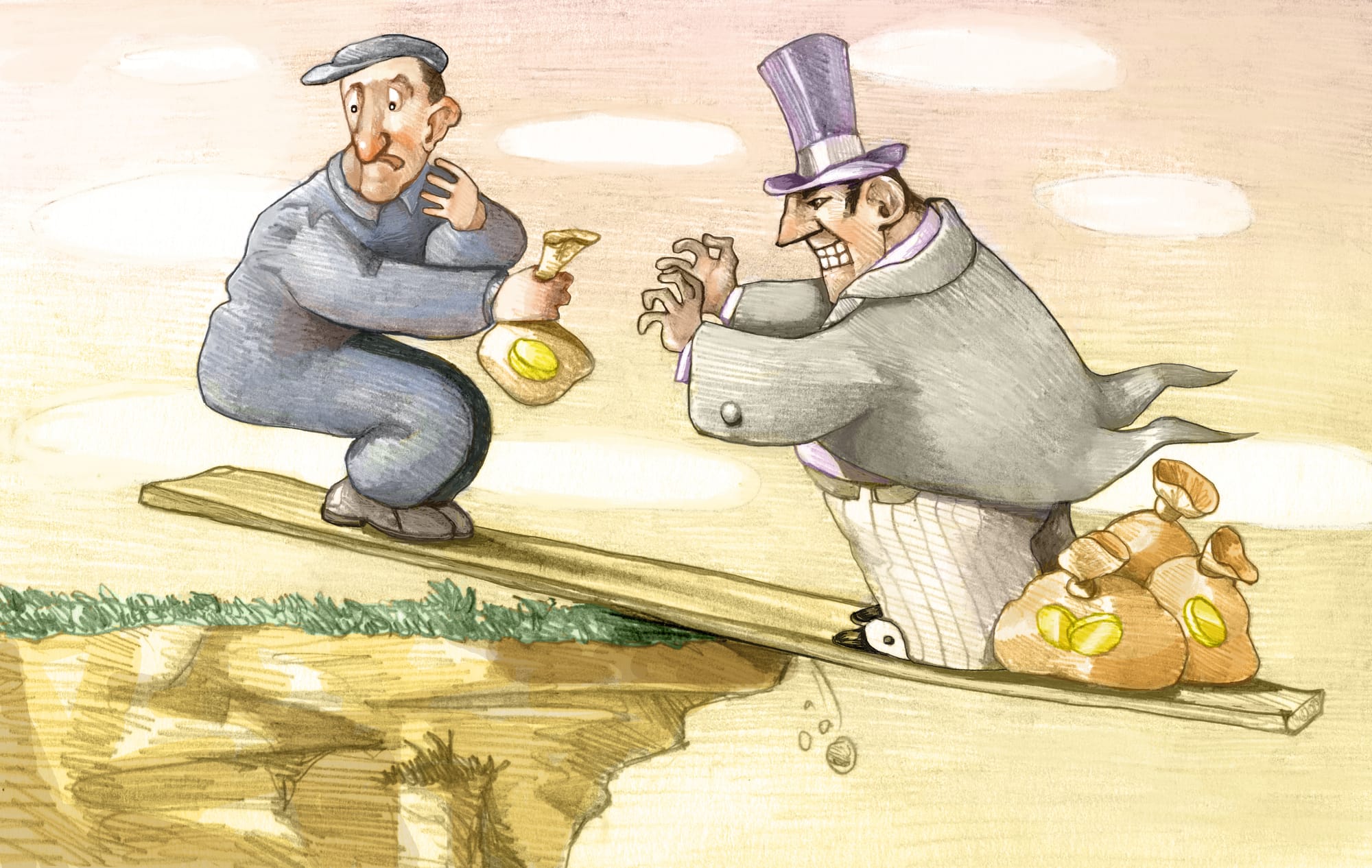
Unfortunately, with the tight … OK, very tight, squeeze on the film industry right now, there are many people and entities popping up all over the place who will promise to “develop” your script, get it to people that can make it, or they tell you THEY are the people who can make it.
The catch?
Your “investment” of up to … and I’m not kidding … Forty Thousand dollars by the time they’re done fleecing you. It’s usually Ten Thousand to start, but like any addictive drug, and believe me, the lure of a produced script is as addictive as it gets, the requests for more money to move your fantastic script forward, which they may or may not have even read, come hot and hard.
And the writers who can’t get read or through any door yet fall for it.
Don’t get me wrong, these charlatans have been around since I first started doing this some 30 years ago, but the internet seems to be crawling with them right now. I understand the frustration. I went through it myself. From the day I wrote my first script to my first produced film was an agonizingly long 12 years.
It was 12 years of learning the craft. Of endless rejections. Of promises made and not kept. Of trusting the wrong people because I wanted it so badly. It was a long hard journey. Like every other screenwriter who’s seen success. But … in all that time I never paid anyone, any producer, to move my work forward or “develop” it. In addition, some ‘producers” are now trying to charge you to read your script. I had a writer not long ago tell me one wanted two thousand dollars. Why? Probably because they need to pay their rent. They’re not making any movies.
You don’t pay producers. They pay you.
If they love your script and think they can make it, they give you a contract. They option. They have you sign a shopping agreement. They give you notes. Lots of notes. You don’t pay for them. Ever. That’s not the way it works.
I’m not including the experienced professionals out there who sell coverage. They’re not promising anything but advice to improve your script for a lot less money. Still … that’s a buyer beware situation. Look them up. See what they’ve accomplished in their careers. Look to see if they can do for themselves what they’re offering you. The Interweb is a lovely thing.
I don’t do paid coverage. I do read scripts for producers to give them my thoughts and notes. But I don’t charge them. I also do work for a lot of them. I get notes on my scripts from writer friends I trust and read their work in exchange. It's the best way to get notes as you’re working through various versions of your script. And no money changes hands. Met them all online over the years.
It’s also important to state that the absolute majority of legitimate producers, and I’ve worked with a lot over 30 years, are very transparent and very up front with the writers they work with. And don’t ask for money.
Now we get to the list of most of the stuff you do have to pay for if you want to be in the screenwriting business.
- Screenwriting software. Buy it. Don’t pirate it. Don’t use free ones, because as we all know, nothing is really free.
- Networking. It costs to go to Film Festivals, writer’s conferences, and media conferences. But you get to meet and talk to and get to know people who someday may be instrumental in your career.
- Screenwriting or writing classes. They actually can make a difference in your thought process. Learning how others do it. Becoming more aware of the craft. Taking classes on Story can change your life.
- Books. There are some good ones. Look them up. There are a ton of them. I have one.
- Acting classes. I know … what? Yep. You want to write better dialog, try reciting some as an actor. Learning to interpret dialog in an acting class will change the way you look at it in your scripts. Honest.
- Business cards. I know they seem old fashioned, but I still get asked for them at every event I attend. So, I have them.
- Pitch Decks, Sizzle Reels, Posters. Yes … you need to pay for these if you want them. They make no difference in the sale of a script. The script is the only thing that sells a script. So, I don’t see the need for me to have those other things, but everyone has to make their own minds up. To me, those things just give producers another layer they have to go through before actually reading your script. A layer where they can say no. My opinion. When I get asked for a Pitch Deck, I just say “I don’t have one.” Usually, they just go straight to reading the script.
- Contests. There are a few I like, but again … your choice. I like Script Pipeline because the winners get industry attention, Austin Fim Festival because it’s a screenwriting centric festival, and Final Draft Big Break. There are a few others. Do your homework.
- IMDbPro. Yes, pay for the pro version. Use it to get info on producers you can query.
All of the above are tax deductible expenses if you itemize your return. Including travel to and from Festivals and Conferences, all costs, including hotels and meals. Keep great records of all of it.
Yeah … It’s Show Business, not Show Fun. And your hard work doesn’t end when you finish a script that’s ready to be read. I go into all of this in detail in my book, That’s Not the Way It Works.
You can do this. Just remember … Producers pay you, not the other way around.
*Feature image by nuvolanevicata (Adobe)