
A Love Letter to a City: 'The Only Living Pickpocket in New York'
A love letter to a city that no longer recognizes itself, and the man who refuses to stop loving it anyway,
The film opens with LCD Soundsystem's "New York, I Love You but You're Bringing Me Down," and if you know that song, you already understand exactly the emotional register Noah Segan is operating in. It is a song about devotion and exhaustion existing in the same breath, about loving something so completely that its transformation feels like a personal wound.
It is the perfect overture for Harry Lehman, an aging pickpocket who has been working the streets and subways of New York since the 1980s, and who now finds himself in a city that has moved on without him in every direction at once. Wallets stuffed with cash have become easily cancelled credit cards. The analog skills he spent a lifetime perfecting have diminishing returns in a cashless, trackable world. And yet here he is, still at it, because this is who he is and this is what he does and the city is still his city even if it barely looks that way anymore.
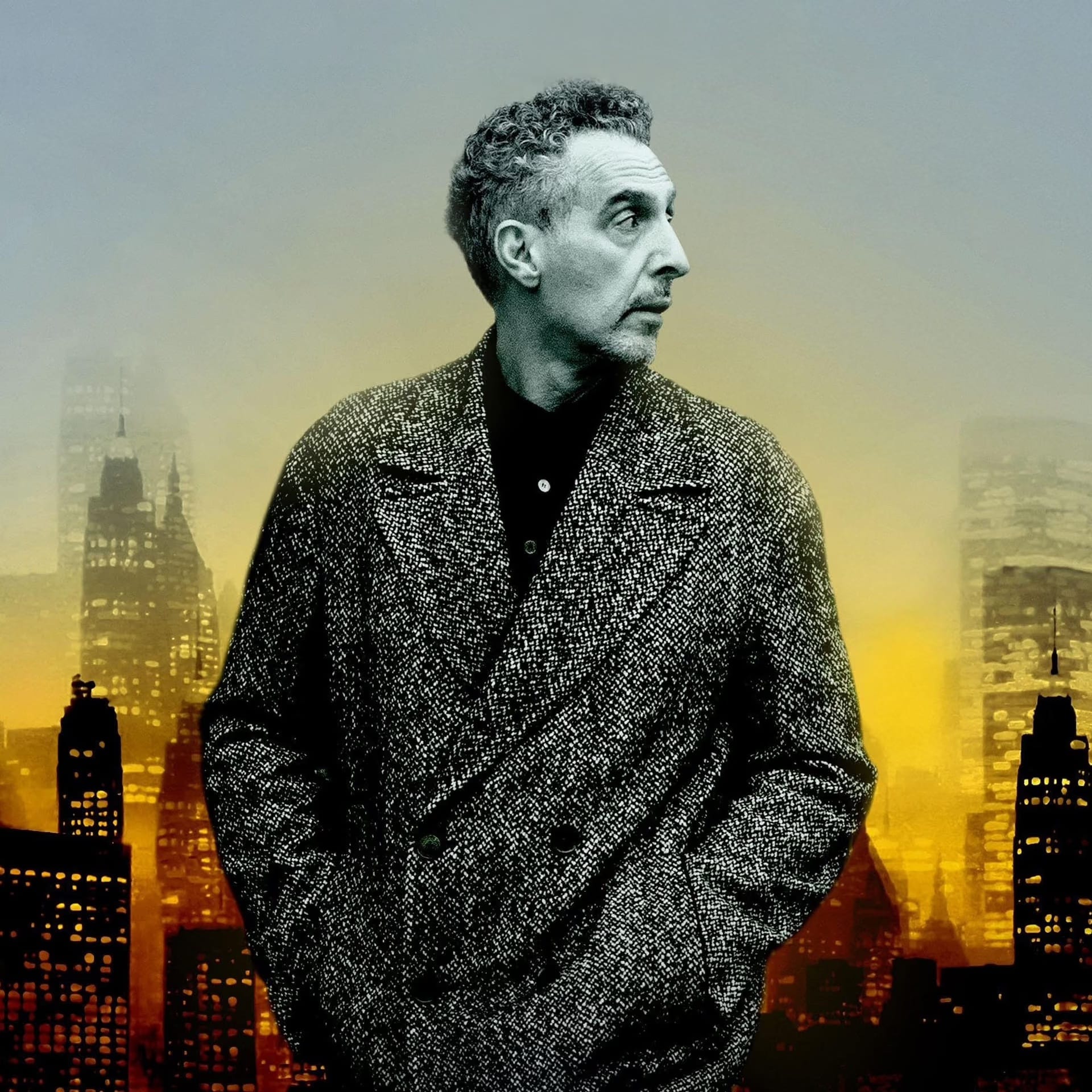
John Turturro was born to play this role, and I mean that in the most literal sense available. This is a performance so lived-in, so warm and funny and quietly devastating, that it is difficult to imagine the film existing without him at its center.
Harry is not a tragic figure in the operatic sense. He is something more ordinary and more affecting: a man who chose a life, stuck to it, developed a code around it, and now watches that code become a relic. He steals to care for his disabled wife, Rosie. There is something in the way Turturro plays those domestic scenes that quietly reframes everything else. This is not a criminal. This is a husband doing what he knows how to do. The Gene Hackman comparison that has been circulating since the film's premiere is apt: there is the same quality of weathered, unglamorous, utterly convincing masculine specificity in every gesture.
The plot, when it arrives, is the kind of premise that would fuel a conventional thriller: Harry unwittingly steals a USB stick from the wrong person, fences it before he understands what he has done, and then finds himself in a race against a vengeful crime family to return it before things turn fatal. Segan is smart enough to treat this machinery as what it really is: an excuse to send Harry wandering through New York, through his relationships, through the accumulated weight of his choices.
The crime plot generates momentum, but the film's real interest is in the mood and the people Harry encounters, and in the specific sadness of watching someone who was once perfectly suited to their world find that world simply no longer exists.
Steve Buscemi, as Harry's friend and fence, is exactly as wonderful as you would hope. There is an ease to his presence in every scene that makes you realize how rare that quality actually is: the ability to make a character feel entirely inhabited without any visible effort.
Tatiana Maslany, as Harry's estranged daughter, gets the film's most emotionally concentrated scene, a father and daughter conversation that briefly transforms the whole film into something closer to pure drama. The moment lands with the force of something the movie has been building toward without quite announcing it.
Giancarlo Esposito brings his customary gravitas to a detective role that deserved slightly more screen time, and Jamie Lee Curtis arrives late to chew scenery with the enjoyable conviction of a performer who knows exactly what a scene like this requires.
The film's weaker element is its villains. The crime family antagonists never quite develop the menace the plot demands, and Will Price's Dylan reads more as irritating than genuinely threatening in ways that slightly undercut the film's tension whenever he is required to be frightening. A thriller in which the audience cannot summon convincing fear of the threat is working against itself, and there are stretches where the film's stakes feel more theoretical than felt. This is the one area where Segan's otherwise confident directorial hand loses its grip.
But the craft surrounding those shortcomings is genuinely beautiful. Sam Levy's cinematography gives New York a cool, autumnal softness that makes the city feel simultaneously present and elegiac, as though we are watching something in the process of disappearing. Gary Lionelli's jazz score is so perfectly calibrated to the film's rhythms that it functions less as accompaniment and more as a second character, all plucking unease and bittersweet swing.
At a tight eighty-eight minutes, the film never outstays its welcome, and the final shot, a long, lingering look at the city continuing its indifferent life, is among the most quietly beautiful images I have seen in a film this year.
The film's sensibility is firmly in conversation with New York cinema of the 1970s, the era of Scorsese and Coppola when the city itself was practically a character with its own moral weight. Segan wears those influences openly and earns them, not through imitation but through genuine affection for what that filmmaking tradition understood about urban life and the people living slightly outside its rules.
There is a scene where Harry dances in his living room to "Native New Yorker" for Rosie's benefit, and it is the kind of moment that would not survive in a lesser film, too soft and too simple, but here it is the whole movie in miniature: a man who loves his wife, loves his city, and is slowly losing both in different ways.
The Only Living Pickpocket in New York closes the same way it opens, with that LCD Soundsystem song carrying Harry out of the film and back into the streets that made him. It is a small film, unambiguous about its own scale, and entirely confident in what that scale can hold. John Turturro makes it something worth cherishing.
And if you have a father who loves New York and remembers when it was different, take him. It might make him cry. That is meant as a recommendation.
*Feature Image: John Turturro in The Only Living Pickpocket in New York (Sony)