
Movie Nights
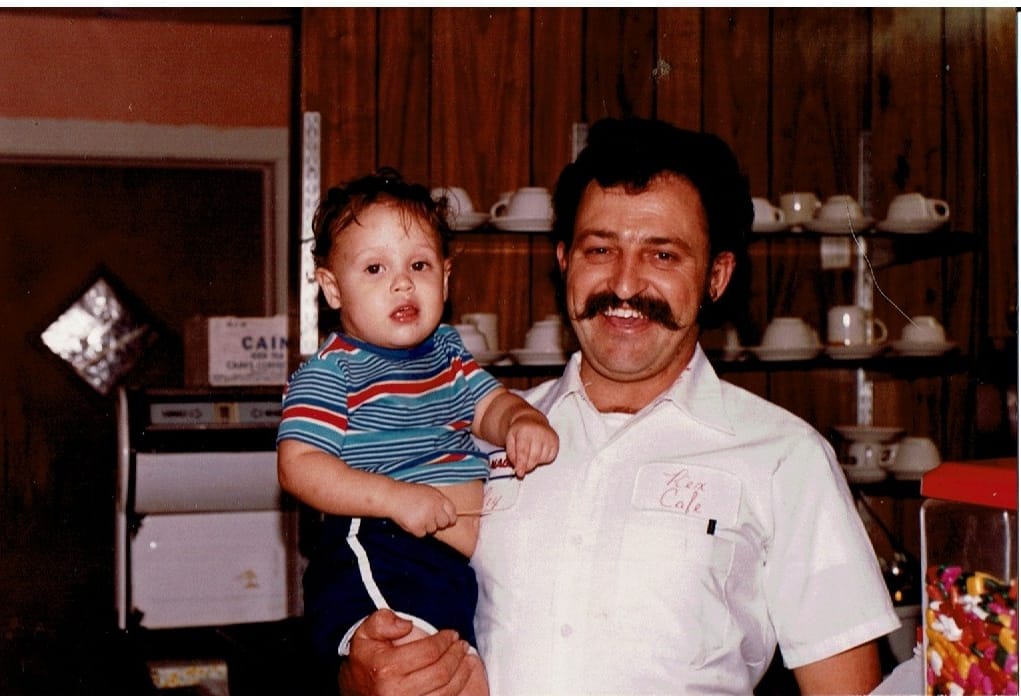
It’s getting harder to remember my dad’s face.
I’ve lived so long without him that I have to really focus on his features and mannerisms if I want to spend time with his memory. But while his smile and laughter escape me most days, the things that brought him true joy never will.
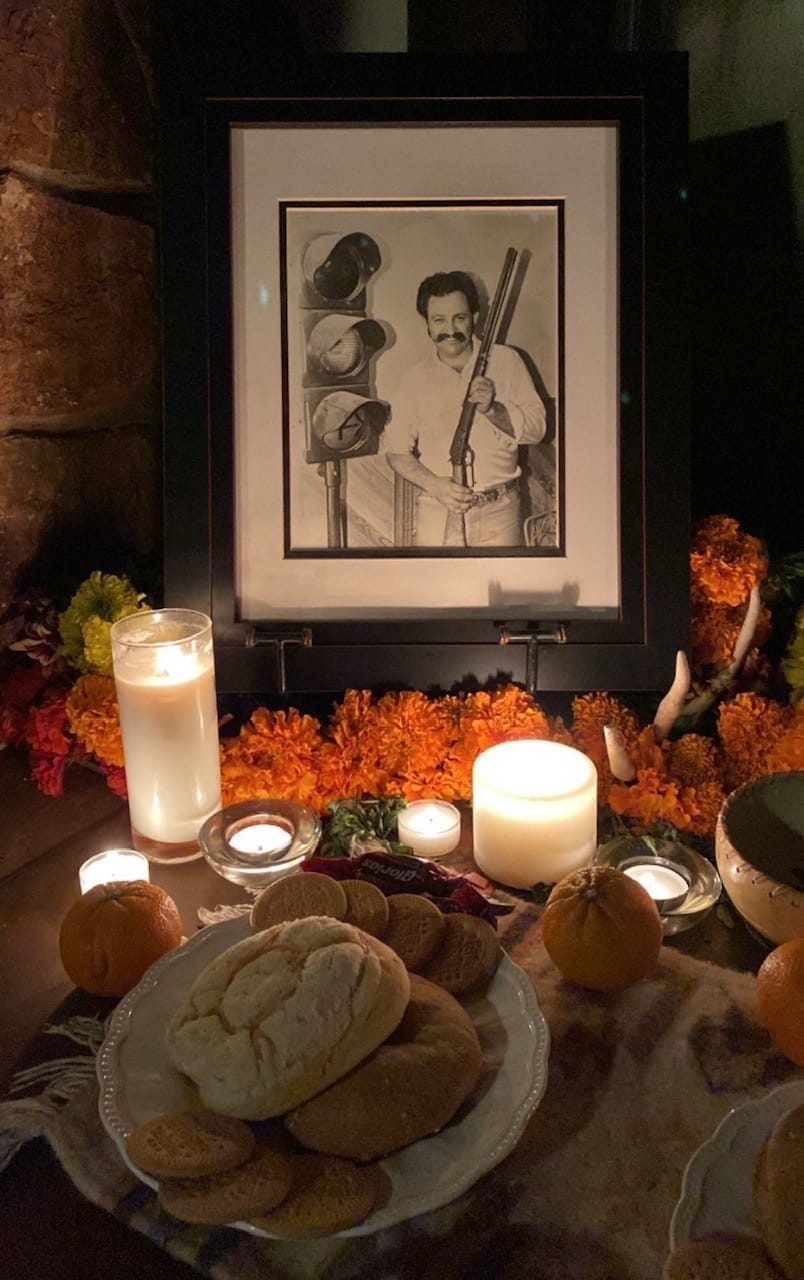
Some of these joys are memorialized every year during Día de los Muertos.
“These are your grandpa Rey’s favorite things,” I tell my sons as I place food and treats on an altar dedicated to a man they never got to meet.
Pan dulce y café. Church’s fried chicken. A cold beer.
They do their best to humor me and play along with my yearly trauma dump. I lament their disconnection to him, but I love that they don’t understand this pain yet.
Then there are the joys that were so deeply ingrained into my life as a child that they can’t help but bleed out as family tradition instead of cathartic ceremony.
“C’mon. Let’s watch a movie.”
I can’t remember exactly how old I was when the tradition first started, and I never got to ask him why he picked Fridays, but our family movie nights were what I most looked forward to as a kid.
More than birthdays. More than Christmas. More than any other day.
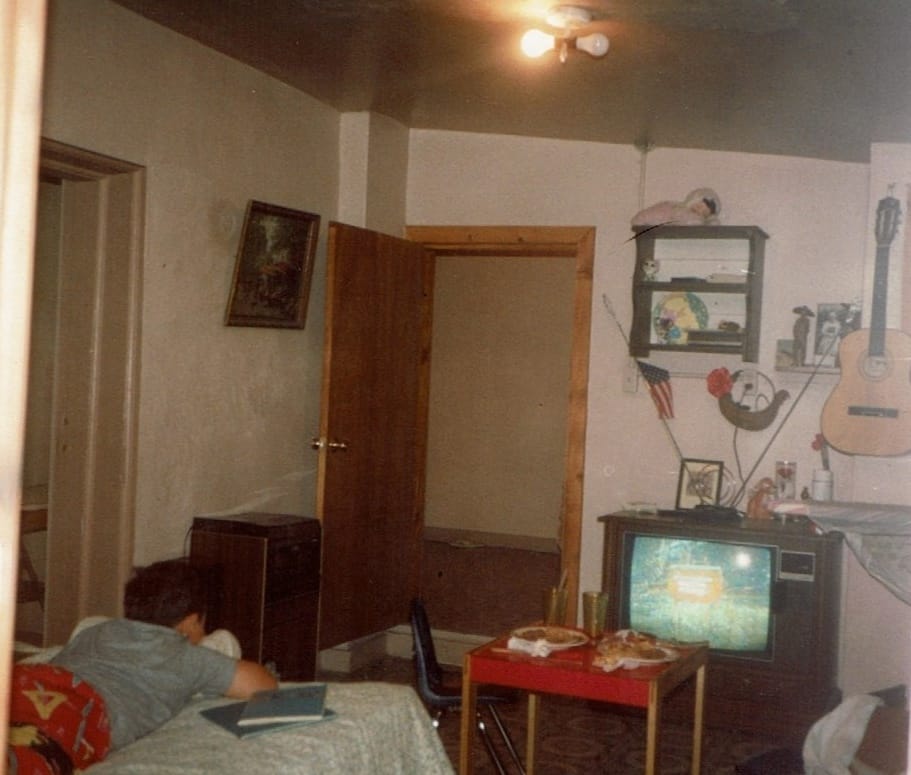
Maybe movies were always important to him, and I only grew to recognize the end of the week as a special time like birds understand it’s time to fly south. Maybe I simply made the connection that he only seemed to stop when a movie played in the VCR.
And so, my favorite time of the week would start with a trip to the local video rental store, and the unmistakable smell of cassette tapes and popcorn.
While I can say that my dad loved a good movie, I can’t say he liked good movies.
His path through the western and action aisles was less a visit to the Criterion Closet and more like a salvage mission to the bottom of a direct-to-VHS bargain bin.
If you asked me then, I’d tell you the best films were made by Tri-Star, Orion, and Cannon Films. They seemed to make and distribute all the movies of my childhood. In fact, my mom banned Over the Top and Rad rentals after several weeks of bringing those tapes home.
She didn’t understand how close I was to perfecting the hawk grip/cap flip and finally beating everyone at arm wrestling during recess. And yeah … Lori Loughlin.
My dad didn’t mind, though. He liked underdog stories.
He gravitated towards movies with complicated anti-heroes who were compelled to fight for the innocent. Films starring Charles Bronson, Burt Reynolds, Clint Eastwood, Mario Almada, or Valentin Trujillo. Films that could help him fill the void created by growing up with the institutionalized corruption of Mexico and escape the realities of life here in the States.
The love of film he imparted had nothing to do with aesthetics or technique. I never heard him talk about character development or cinematography. It was purely based on the act of sitting still and sharing the experience of film with the people you cared about most.
It was one of the things I loved most about being his son.
And then it all stopped when he was killed.
Just like I can’t pinpoint the day we started having family movie nights, I can’t put my finger on the exact date my mom made us stop either. But I do remember how it felt for her to tell us that God didn’t like what my sister and I were watching.
To be fair, my dad had other forms of escape that had nothing to do with watching movies with us. Ones that directly contributed to him being gunned down outside a bar when I was 10 years old. So, I can’t blame my mom for wanting to get us as far as possible from the violence that took her husband. But our punishment never seemed to fit the crime that others committed.
Armed with her Bible and some “anointing oil,” she began purging the Devil from our lives.
Unfortunately, the Devil was everywhere. He was in our after-school cartoons, in every song on the radio, and to my great disappointment, in all my favorite movies.
Family movie nights were over. In their place were Bible meetings, group prayer sessions, and at least three services a week. It felt like losing my dad all over again.
My mom only got deeper into evangelical teachings as the years went on. She was especially fond of the preachers who cherry-picked scripture and spoke directly to the Holy Ghost on her behalf in exchange for money we didn’t have.
Eventually, even the tips I was bringing in as a waiter were stuffed into white envelopes for her weekly offerings. It hurt, but all I could do was watch as she gave more of our money to the church in hopes that we would be blessed with a better life.
One Sunday, after another three-hour marathon service, an idea came to me while the preacher prayed over the congregation. I might not have had the ability to stop her from giving our money away, but I didn’t have to be there to see it happen.
Something I learned while watching movies with my dad was that all good antagonists have a blind spot. The same worldview that gives them purpose also creates tunnel vision. Once the main character figures that out, there’s a way to beat them.
I came to understand that my mother had a blind spot, too. A core belief that could not be questioned. God spoke to us through the Holy Spirit when we prayed. So, when I told her God wanted me to go to the English-only church with a youth ministry across town, she believed me.
Who was she to question God?
It took me a week to figure out what to do with the heavenly intervention. That next Sunday, I was on my way to the early matinee at my local theater.
I don’t remember the first movie I saw. To be honest, it could have been anything and I wouldn’t have cared. It was cheaper than church. Quieter, too. Even peaceful.
I had created my own movie-going tradition. A way to reconnect with the gift my dad gave me when I was little. Sunday after Sunday, I sat in the dark auditoriums of the multiplex and watched every movie I could.
Of course, I eventually got caught. Not because I wasn’t good at telling stories and making up sermons, or because I hadn’t timed my matinees to line up with my mom’s revival services. No, it was because I was a little too happy going to my new “church.” My aunt had asked my mom if I would take my cousin with me, since I was so “on fire for the Lord.”
I took him to the movies that Sunday, thinking I had gained a disciple. A co-conspirator who’d share fresh popcorn, a cold Mr. Pibb, and a movie in a nearly empty theater. I was already planning what we’d watch the following week when I dropped him off. He must have confessed as soon as he walked in the door, because my mom was waiting outside our trailer home. And she was pissed.
I caught my last good whooping that day.
She never apologized. Neither did I.
The next day, we were still poor. I went back to school, then to work. But I never went back to church with her. I wasn’t worried about getting caught anymore, so I stopped lying altogether.
I was finally free from the fear.
Movies kept on being a central part of my life.
They comforted me the rest of my high school days. Showed me the way when I went as far as I could for college. Then again, when I had to come back home.
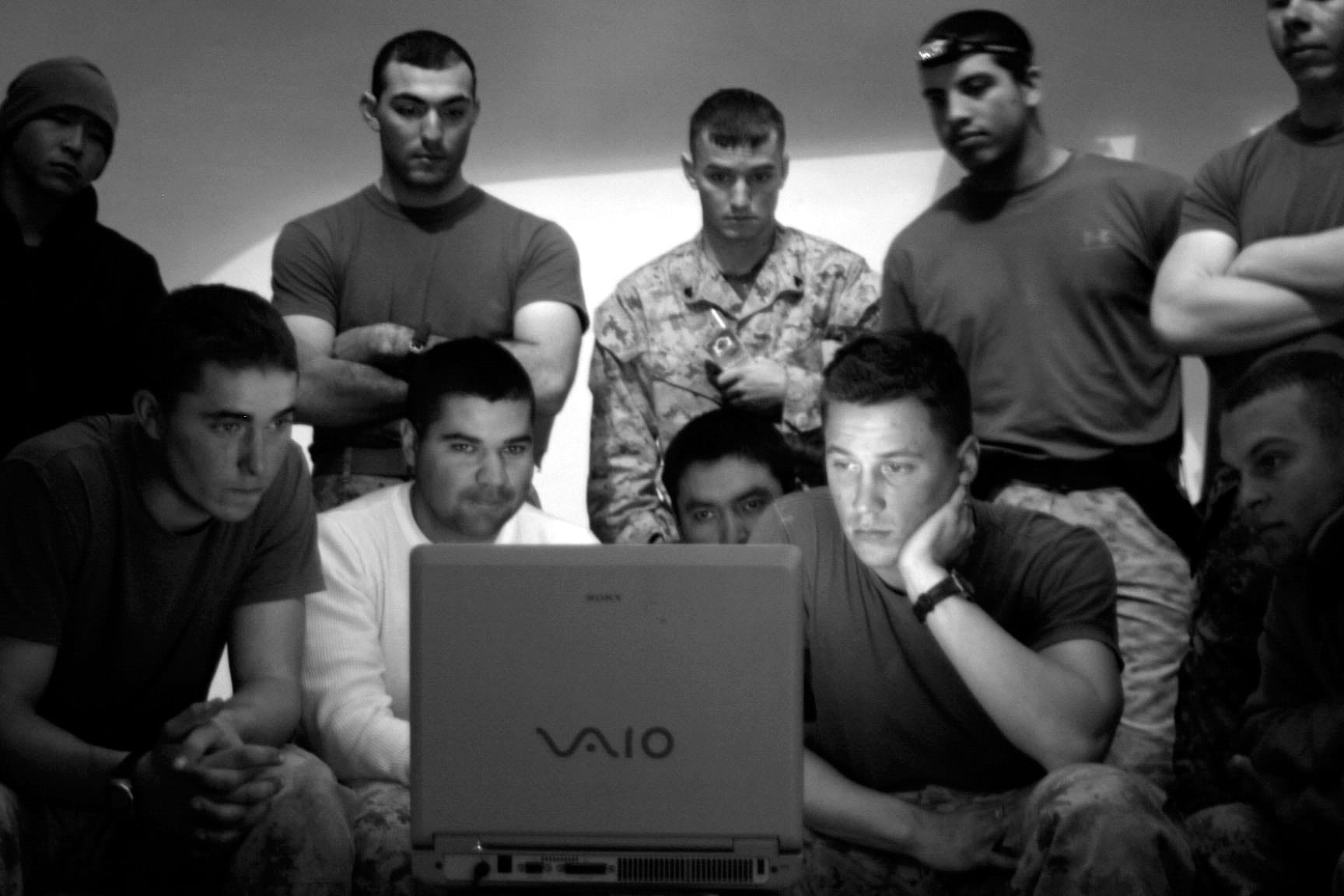
They were there for me (although in pirated DVD form) during both of my combat deployments to Iraq. And they became what I shared with my young family when all we had enough money for was a Hot-N-Ready and a trip to the corner Redbox.
I still love going to a Sunday matinee, but these days I watch most of my movies at home. There, on the couch with my wife and two sons, I keep the tradition alive. Every day.
My dad will probably be forgotten once I’m gone. Día de los Muertos altars with his favorite foods and drinks will stop being made for him. His successes and mistakes won’t be discussed. But my sons will remember sitting together on the couch in our South Texas home, laughing, cheering, holding our breath, or crying over a movie.
They may never fully understand what it took to keep that tradition going, or why it ever meant so much to me. They’ll just know it’s something we looked forward to as a family.
Reynaldo Leal is the writer and producer of Popcorn Prophets, a feature film inspired by the experiences shared in this essay. The screenplay was a finalist in the 2023 Slamdance Screenwriting Competition. The film is currently in pre-production, with filming planned for fall 2027 in the Rio Grande Valley. Nate Boyer will direct and produce.