Just Stop: Book Proposal Pet Peeves
A book proposal is what sells a nonfiction book. It makes the case for what your idea is, what makes it unique, why you are the best person to write it, and why people will read it.
When you send out your proposal, you want to give decision-makers—agents, publishers, the editorial board—every reason to say “yes” and no reasons to say “no.”
Here are my top pet peeves; things you want to avoid—and remember—when crafting your book proposal.
Long Overviews
An overview should be one page. Two pages, max.
I have seen six-, seven-, and eight-page overviews.
That's not an overview. That's a pitch.
Your overview is a blueprint. It lays out the promise of your book proposal … which lays out the promise of the book. There’s a place for all that extra material you are trying to fit into the overview … in other sections of the proposal.
- “What’s in the Book” is where you share the book’s structure or throughline (beginning, middle, and end for narratives; the sections the content is divided into for everything else).
- “Book Specs” is where you explain how you will share this information (stories, case studies, interviews, exercises, templates, number of images, etc.)
- There is plenty of room in the bio, platform, marketing, audience, and comp title sections to expand on your authority, credibility, community, and salability of your book.
Your Overview should give the big picture of your book. That’s it! You have many more pages where you can go into detail.
Creative Formatting
A book proposal is not a pitch or pitch deck. It’s a text document—written in the third person—that you want to make as easy to read as possible.
Here’s the standard format:
Times New Roman.
12-point type.
Double-spaced.
Left-justified.
You can go a bit bigger on the title page. Title: 18-point. Name and attribution: 16-point. Centered.
I know. Kind of boring. Old school. Traditional.
Also, use headers (and create a table of contents, so it’s easy to navigate), bullets (when appropriate), and links to further information (including audience data, media, and your speaker reel).
A book proposal is a professional document that speaks for you in the rooms you are not in. It’s the content that matters; bells and whistles are only an annoying distraction.
Too Many Photos
There are two places for images in your book proposal: a splash photo right after the title page (the “a picture is worth 1000 words” message of your book; yes, it can be a collage or before and after) and a headshot that looks like you on your bio page.
The only exceptions:
- If you have a compelling image to add to your bio—your book is related to a screenplay/play/one-person-show or you have “standing” as an expert on a known stage (tv segments, talk show host).
- If you are writing a cookbook and want to add pics to the recipes in your sample chapters.
That's it.
For the same reasons as Pet Peeve #2: make it easy to read and keep the focus on the content.
Being Overly Optimistic
Enthusiasm is a key part of thought leadership, especially as an executive, entrepreneur, consultant, or other expert, who is trying to get a book deal. However, to keep your proposal and pitch realistic, remember there’s a thin line between enthusiasm and exaggeration.
This can show up in a couple of ways throughout your proposal, so be aware.
Never say:
- “It’s a future—or their next—best seller.” That’s always the goal, but putting it in your proposal makes you sound naive and cocky. Tell them why your book will sell; the need in the market and where your readers are.
- “Something like this has never been done before.” First of all, that’s likely not true. To sell a book you are looking for the differentiation, a value-add to a concept that has been done before. Second, if it truly has never been done before in any way, no one is going to buy that book.
Your comparable titles section is another place you want to be hyper-aware and super-realistic. Ideally you want to find five books, similar to yours in price, format, and genre, published traditionally in the last three to five years, that have good rankings and high ratings.
Now, some people say you need only three comps; I recommend five, because then you have a space for a book that is either older, wildly popular non-trad published, or a ridiculous comparison that would seem like an omission not to include.
In addition to sharing links and stats from each one, you need to explain how your book is similar, but different—making the case that people who bought that book will also buy yours.
It may be tempting to compare your book to the latest bestseller by a prolific author—and, if you get there, great. But, doing so in your book proposal is like comparing apples to lawn mowers. They are often not in the same store, let alone the same aisle.
Forgetting that the Whole Proposal is a Writing Sample
Toward the end of the proposal, you include your detailed outline and sample chapters. But decision-makers are looking at your tone, style, and ability to write throughout the document. The more personable you are—and the more relevant links you include in case they want to watch you on video/see you being interviewed/learn more about the audience data—the better.
Agents and publishers are looking for people to invest in, as much as they are looking for books they can sell. Use the proposal to make the case for why you—an actual human being—needs to write the book, and more importantly, why people will connect with you and want to buy the book.
One Last Thing
A book proposal is a big deal. But try not to let it overwhelm you. Yeah, right.
Make it easy for agents and publishers. Give them the information they need to decide whether they want to take the next step with you and your book.
- Be clear and concise.
- Be realistic about the market/audience/comp title.
- Show them why you’re the right person to write it.And make sure the proposal itself is well-written—no typos, easy to read—plenty of white space on the page, and sounds like you.
There’s plenty of room to show your personality. Just don’t let your personality—or your creativity—get in the way of giving them what they need to say "yes.”
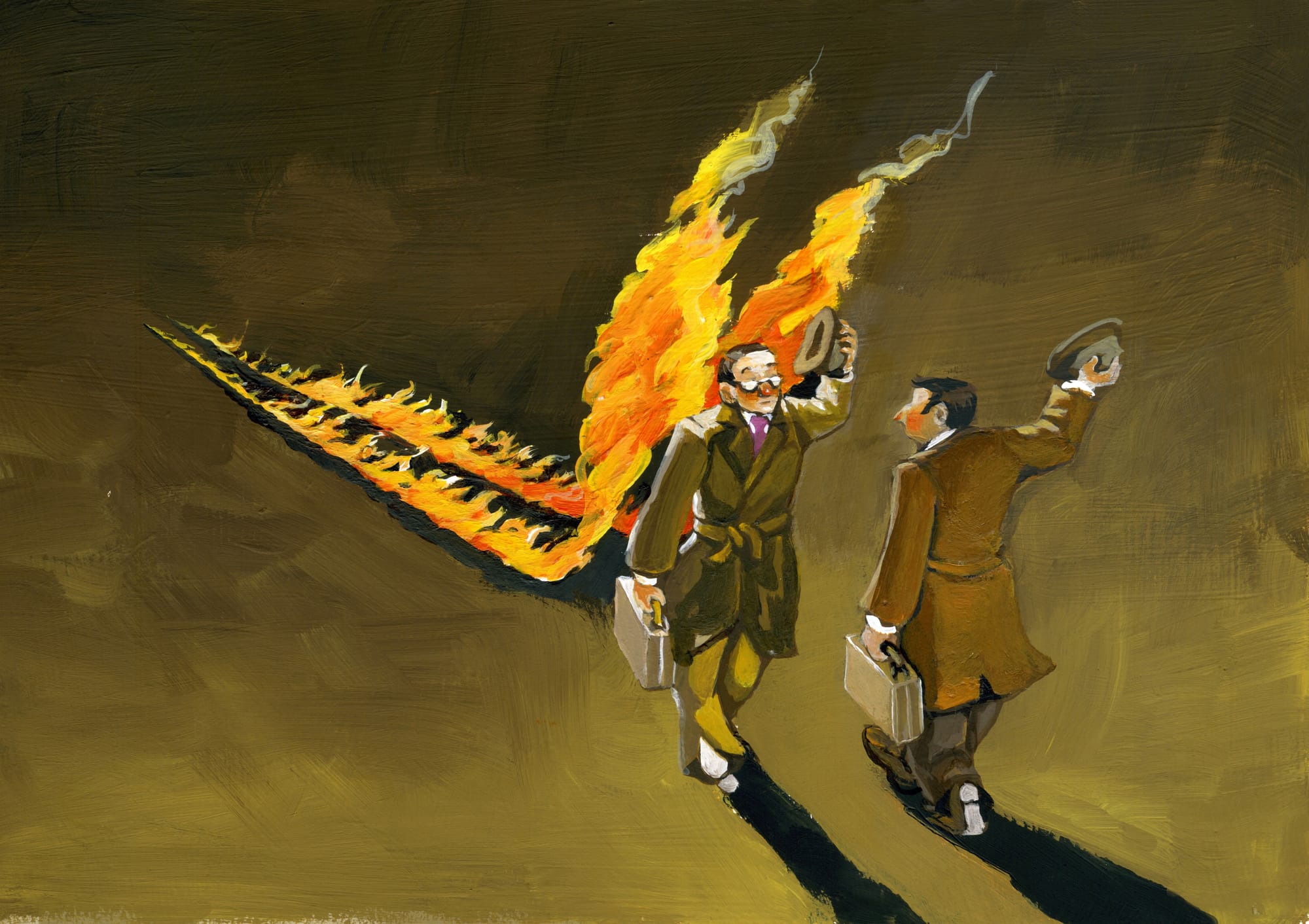
*Featured image by nuvolanevicata (Adobe)
Join our upcoming Symposium, "A Book Proposal Coach’s Secrets To Selling Your Non-Fiction (or Fiction) Book" on October 21st!